
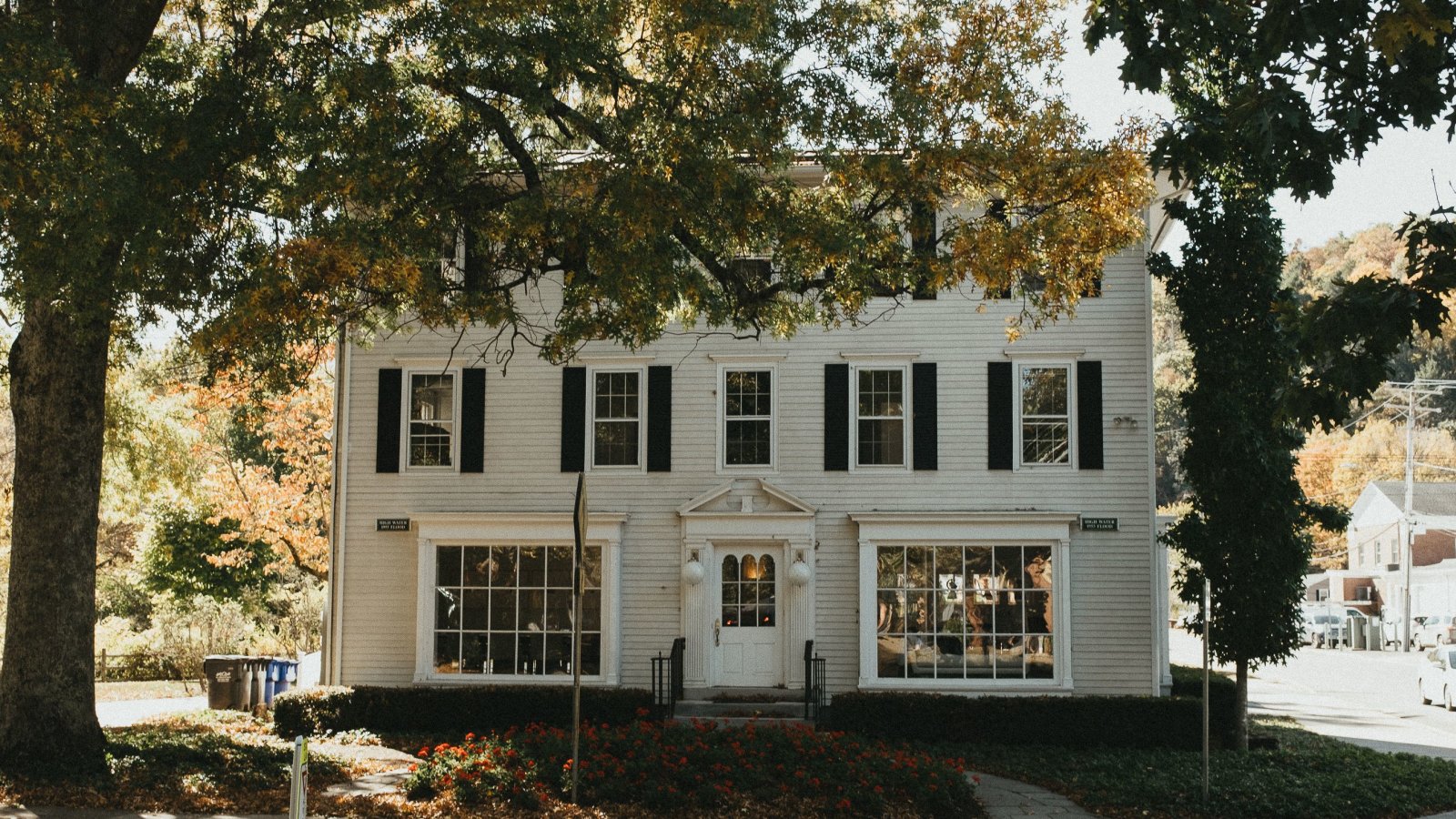
Your home’s exterior paint does more than improve curb appeal. It helps protect siding, trim, and other surfaces from moisture, sun exposure, temperature swings, and everyday wear.
In Prospect, CT, exterior paint takes a beating from snow, rain, humidity, UV exposure, and freeze-thaw cycles.
When paint starts peeling, fading, cracking, or chalking, delaying a repaint can leave wood and siding more vulnerable to damage.
What’s In This Guide
- Why Exterior Paint Matters in Connecticut
- 5 Common Signs Your Home Is Ready for Exterior Repainting
- How Connecticut Weather Affects Exterior Paint
- How Often Should Homes in Prospect, CT, Be Repainted?
- How to Check If Your Home Needs Exterior Painting
- Exterior Painting Tips Before Starting a Repaint Project
- Frequently Asked Questions (FAQs)
- Schedule an Exterior Paint Evaluation in Prospect, CT
Quick Facts
- Peeling, fading, cracking, and chalking signal repainting.
- Connecticut weather can speed up paint wear.
- Proper prep helps paint last longer.
- Routine inspections catch paint failure early.
- Professional evaluations can identify surface issues before repainting.
Why Exterior Paint Matters in Connecticut
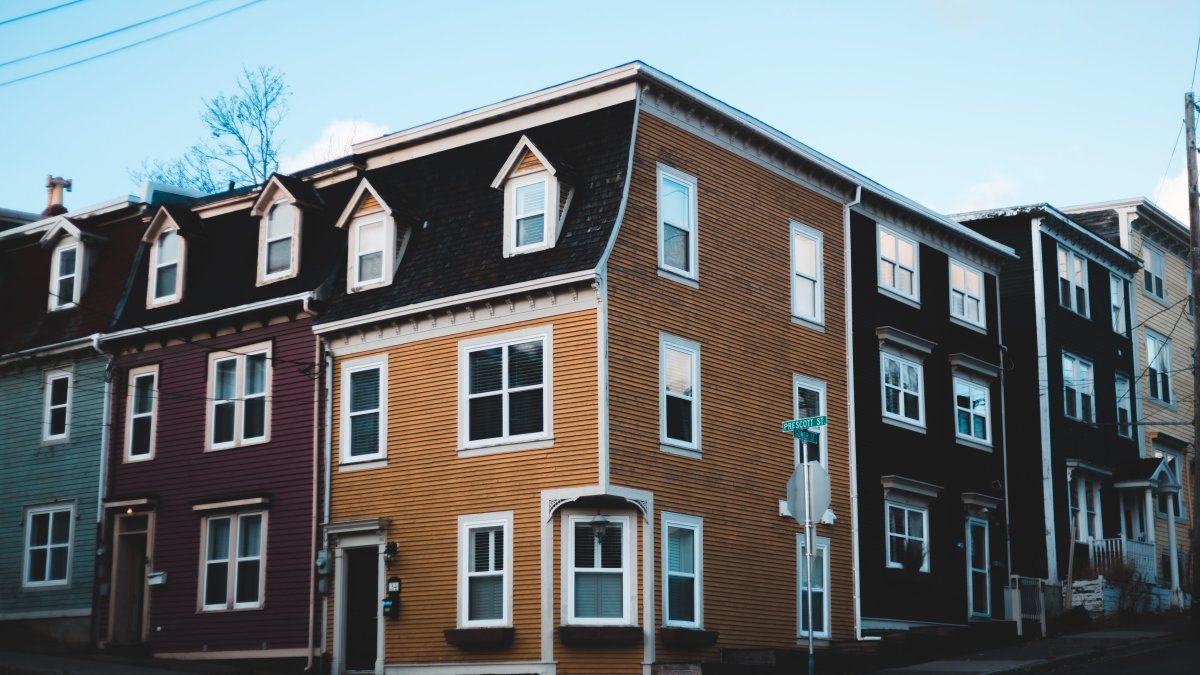
Exterior paint helps shield siding, wood trim, and other surfaces from environmental exposure.
For homeowners considering exterior painting in CT, climate conditions play a major role in how long paint lasts. Connecticut homes regularly experience:
- Snow and ice accumulation
- Heavy rainfall
- Humid summers
- UV exposure
- Seasonal temperature swings
Over time, these conditions can weaken paint adhesion, cause fading, and expose surfaces to moisture. Once the coating fails, repainting becomes more than a cosmetic update.
5 Common Signs Your Home Is Ready for Exterior Repainting
1. Peeling, Cracking, or Bubbling Paint
Peeling paint is one of the clearest indicators that repainting is necessary. Bubbling or cracking usually means the coating is no longer adhering properly to the surface. Moisture intrusion, aging paint, or poor surface preparation are common causes.
Once paint begins separating from the siding or trim, the underlying material becomes more vulnerable to water damage.
2. Fading or Chalky Surfaces
Sun exposure can gradually fade exterior paint colors. Some homes may also develop a chalky residue that rubs off when touched. This often signals coating breakdown caused by UV exposure and weathering.
Fading may look cosmetic at first, but it can also mean the paint is no longer protecting the surface as well as it should.
3. Exposed Wood or Bare Siding
When paint wears thin enough to expose raw wood or siding, moisture can be absorbed into the surface more easily. That can lead to swelling, cracking, and deterioration.
This is especially important for exterior painting in Connecticut because repeated freeze-thaw cycles can worsen small cracks and surface damage over time.
4. Failed Caulk Around Windows and Trim
Cracked or shrinking caulk around windows, doors, and trim can allow moisture to enter gaps behind painted surfaces. Repainting projects often include re-caulking vulnerable areas to improve moisture resistance.
5. Mildew, Staining, or Persistent Dirt
Dark streaks, mildew growth, or stains that remain after cleaning may indicate deeper coating deterioration. While some discoloration can be cleaned, widespread staining may suggest the paint system is nearing the end of its lifespan.
How Connecticut Weather Affects Exterior Paint
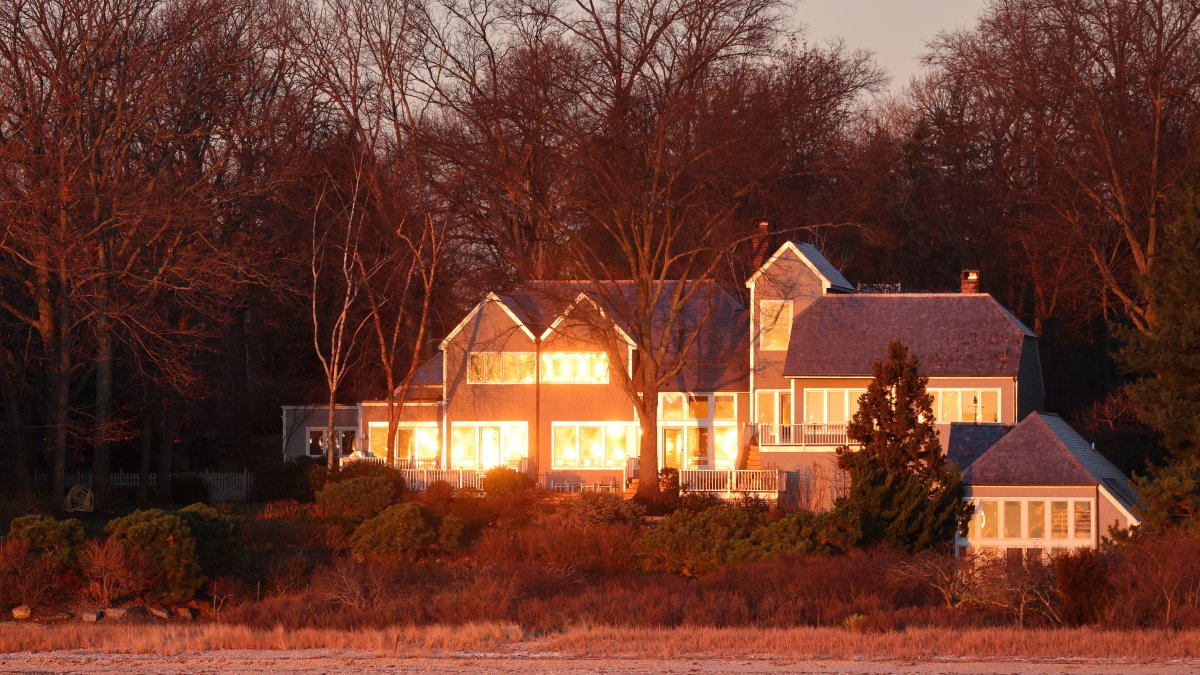
Connecticut’s climate can significantly impact how long exterior paint performs. Moisture is one of the biggest concerns. Rain, snow, and humidity can gradually weaken coatings and increase the risk of peeling or wood damage.
Temperature fluctuations also matter. Surfaces expand and contract throughout the year as temperatures rise and fall. Over time, this movement can stress paint films and create cracking.
Homes with strong sun exposure on south- and west-facing walls may experience faster fading and surface wear compared to shaded areas.
MORE ON THIS TOPIC: What It Costs to Paint a 2,000 Sq Ft Home Exterior
How Often Should Homes in Prospect, CT, Be Repainted?
There is no universal repainting schedule for every home. Several factors influence how frequently exterior painting in Connecticut may be needed, including:
- Type of siding material
- Quality of previous paint products
- Surface preparation quality
- Sun exposure
- Moisture exposure
- Existing paint condition
Wood trim and heavily exposed surfaces may require more frequent attention than protected areas. Instead of relying only on a timeline, inspect the exterior regularly for visible signs of paint failure.
How to Check If Your Home Needs Exterior Painting
Step 1: Inspect the Exterior After Dry Weather
Walk around the home and look closely at siding, trim, soffits, and window frames. Pay extra attention to areas where paint appears uneven, blistered, or rough to the touch.
Step 2: Check Sun-Exposed Areas
South- and west-facing walls typically show earlier signs of fading or cracking due to prolonged UV exposure. Dark-colored paint often fades faster in areas that receive direct afternoon sunlight.
Step 3: Look for Moisture Damage
Inspect areas near gutters, rooflines, and lower siding sections for peeling paint, soft wood, or discoloration. Water stains or swollen wood surfaces may indicate that moisture is getting beneath the paint layer.
Step 4: Test for Chalking
Rub your hand lightly across painted surfaces. Excessive powder residue may indicate coating breakdown. Chalking often means the paint is losing its protective properties due to weather exposure.
Step 5: Examine Caulk and Trim
Check for gaps, cracks, or separating seams around windows and doors. Damaged caulk can allow moisture intrusion that eventually leads to peeling paint and wood deterioration.
Exterior Painting Tips Before Starting a Repaint Project
Good preparation is one of the most important parts of a lasting exterior paint job. Before repainting:
- Wash surfaces to remove dirt, mildew, and loose debris
- Scrape loose or peeling paint
- Sand rough transitions
- Repair damaged siding or trim
- Prime bare wood and repaired areas
- Apply paint during appropriate weather conditions
Homeowners should also be aware of lead paint regulations. The EPA states that homes built before 1978 may contain lead-based paint, which requires lead-safe renovation practices during surface preparation.
Frequently Asked Questions (FAQs)
How long does exterior paint typically last in Connecticut?
Exterior paint lifespan varies based on siding material, prep quality, and weather exposure, but Connecticut’s moisture and freeze-thaw cycles can shorten durability on heavily exposed surfaces.
What exterior paint colors fade the fastest?
Dark colors and bold shades usually fade faster because they absorb more UV radiation and heat throughout the day.
Can pressure washing damage exterior paint?
Yes. Excessive pressure or improper technique can strip paint, force moisture behind siding, or damage older wood surfaces.
Does humidity affect exterior painting projects?
High humidity can slow drying times and interfere with proper paint curing, which may reduce adhesion and finish quality.
What areas of a house usually need repainting first?
Trim, soffits, window frames, doors, and south-facing walls often show earlier signs of paint wear due to direct exposure to sunlight and moisture.
Schedule an Exterior Paint Evaluation in Prospect, CT
Peeling, fading, and moisture exposure can gradually lead to more extensive surface deterioration if left untreated. Regular inspections and timely repainting help protect siding, trim, and overall home condition in Prospect, CT.
For homeowners considering exterior painting in Connecticut, Prospect House Painting Pros can help evaluate your home’s exterior condition and determine when repainting may be appropriate.