
2026 Interior Paint Trends: What’s In, What Lasts, Colors Homeowners Want
Quick Summary
✔ Warm neutrals are replacing cool gray as the go-to interior wall color
✔ Muted greens and earthy tones continue to gain popularity for calm, livable spaces
✔ Deep, softened blues are preferred over bright or saturated colors
✔ Matte and eggshell finishes are favored for their durability and modern look
✔ Long-lasting paint choices balance trend appeal with neutral undertones
Interior paint trends in 2026 are less about chasing what’s new and more about choosing colors that work—colors that feel intentional, age well, and support how homeowners actually live. The shift is clear: fewer extremes, more balance, and a stronger focus on longevity.
For homeowners planning to repaint, understanding what’s trending and what will still look good years from now is key. This guide breaks down the most relevant interior paint trends for 2026, explains why they’re gaining traction, and highlights which choices offer lasting value.
In This Guide
The Big Shift for 2026: Comfort, Depth, and Durability
In recent years, interiors swung between stark minimalism and bold experimentation. In 2026, the middle ground is winning. Homeowners want spaces that feel calm but not bland, expressive but not overwhelming.
Three priorities define current interior paint decisions:
- Visual warmth without heaviness
- Colors that complement natural light rather than fight it
- Finishes and tones that age gracefully
This has pushed trend forecasts away from gimmicks and toward colors with depth, flexibility, and proven staying power.
Trending Interior Paint Colors for 2026
1. Warm Neutrals Replace Cool Grays
Cool grays are officially on the decline. In their place, warmer neutrals are taking over—tones that add softness without turning yellow or beige-heavy.
Popular warm neutral families include:
- Greige with brown or taupe undertones
- Soft clay and putty shades
- Creamy off-whites with subtle warmth
These colors work especially well in living rooms, hallways, and open floor plans where flow matters. They adapt to changing daylight and pair easily with wood floors, stone, and modern finishes.
Why they last: Warm neutrals don’t feel dated quickly and remain flexible as furniture and décor change.
2. Earth-Inspired Greens Continue to Rise
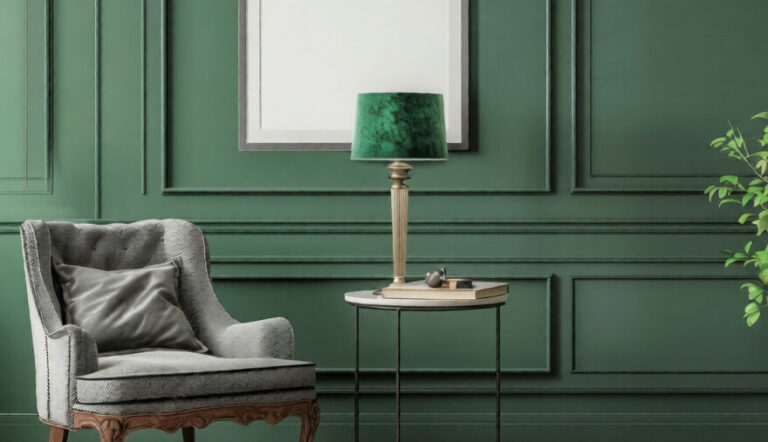
Green remains one of the strongest interior paint trends going into 2026, but the emphasis is on muted, natural greens rather than saturated jewel tones.
Homeowners are gravitating toward:
- Olive and moss green
- Sage with gray or brown undertones
- Soft eucalyptus tones
These shades are being used in bedrooms, home offices, and kitchens to create grounded, calming environments.
Why they last: Earthy greens connect naturally with wood, stone, and neutral palettes, making them easier to live with long-term.
3. Deep, Muted Blues for Accent and Feature Walls
Bright blues are fading, but deeper, more complex blues are gaining popularity—especially as accent colors.
Common choices include:
- Slate blue
- Charcoal blue
- Dusty navy with gray undertones
Homeowners are using these shades strategically: a single feature wall, built-ins, or dining rooms where depth adds interest without overpowering the space.
Why they last: Muted blues feel sophisticated rather than trendy and maintain appeal across different design styles.
4. Soft Browns and Taupes Make a Comeback
Brown is back—but not the heavy, outdated versions of the past. In 2026, browns are lighter, softer, and more refined.
Trending variations include:
- Mushroom
- Warm taupe
- Soft mocha
These colors are showing up in bedrooms, dens, and transitional spaces where warmth matters.
Why they last: Modern browns create warmth without dominating the room, making them a strong alternative to beige or gray.
What’s Fading Out in 2026
Understanding what not to choose is just as important.
Cool Gray Dominance
While gray isn’t gone entirely, single-tone cool gray interiors are increasingly viewed as flat and impersonal.
Stark White Everywhere
Pure white walls in every room can feel harsh and impractical, especially in homes with children, pets, or limited natural light.
Ultra-Bold Trend Colors
Highly saturated colors—neon accents, extreme jewel tones—are being used less frequently as homeowners prioritize resale value and versatility.
Finishes Matter More Than Ever
Color is only part of the decision. In 2026, homeowners are paying closer attention to paint finish and performance.
Low-Sheen Finishes Are Preferred
Matte and eggshell finishes are increasingly popular for walls because they:
- Reduce glare
- Hide minor imperfections
- Create a softer, more upscale look
Satin and semi-gloss are still used—but more selectively on trim, doors, and high-traffic areas.
Washable and Durable Formulas Are a Priority
Modern homeowners expect paint to hold up. Scuff resistance, cleanability, and moisture resistance are major factors, especially in kitchens, bathrooms, and hallways.
Room-by-Room Color Preferences
Living Rooms
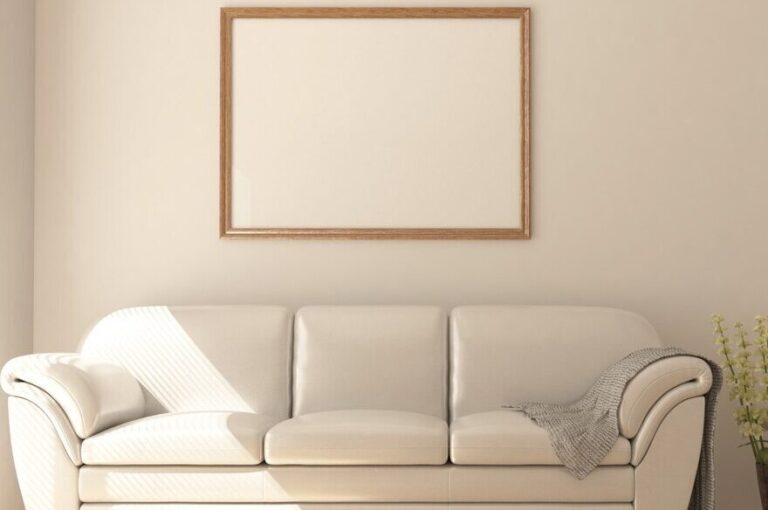
Warm neutrals, soft taupes, and muted greens dominate. These spaces are meant to feel welcoming and adaptable.
Bedrooms
Calming tones lead the way: sage green, soft blue-gray, and warm off-whites that promote rest.
Kitchens
Homeowners are moving away from all-white kitchens and adding subtle contrast with warm neutrals or muted colors on walls and cabinetry.
Home Offices
Deeper tones—olive, navy, or charcoal-adjacent colors—are being used to create focus and separation.
What Lasts vs. What’s Just Trending
When repainting an interior, homeowners often face the same question: Should I follow trends or play it safe?
The most successful 2026 interiors do both by:
- Using timeless colors forthe main living areas
- Adding trend-forward shades as accents or in lower-commitment spaces
- Choosing colors with neutral undertones that won’t clash over time
This approach allows homeowners to refresh their space without locking themselves into something that feels outdated too quickly.
Why Professional Guidance Still Matters
Interior paint trends can inspire, but real-world results depend on factors like lighting, room size, existing finishes, and surface condition. A color that looks perfect online can feel completely different once applied to your walls.
Experienced painting professionals help homeowners:
- Select colors that suit their specific home
- Avoid undertone conflicts
- Apply finishes correctly for durability and appearance
The difference shows not just immediately, but years later, as the paint continues to perform.
Making 2026 Paint Trends Work for Your Home
Trends should support your home—not override it. The strongest interior paint choices in 2026 are thoughtful, flexible, and rooted in function as much as style.
Before committing to a color, homeowners should consider:
- How the room is used
- How much natural light does it receive?
- How long do they plan to stay in the home?
These factors matter more than any trend list.
Choose Colors That Still Work Years From Now
Interior paint trends in 2026 favor balance over extremes and longevity over novelty. Warm neutrals, earthy greens, muted blues, and soft browns are popular not because they’re flashy—but because they work.
For homeowners, the goal isn’t to chase trends. It’s to make informed choices that improve comfort, appearance, and long-term value. When done right, interior painting becomes less about what’s “in” and more about what lasts.
Companies like Prospect House Painting Pros work with these trends daily, helping homeowners choose colors that look good not just on a sample card, but on full walls, in real homes, over time.
Frequently Asked Questions
What are the most popular interior paint colors for 2026?
The most popular interior paint colors for 2026 include warm neutrals (greige, soft taupe), muted greens (sage, olive), deep blues (slate and dusty navy), and soft browns. These colors are favored because they add warmth, depth, and long-term flexibility to interior spaces.
Are gray walls out of style in 2026?
Cool gray walls are becoming less popular in 2026, especially when used throughout an entire home. However, warmer gray tones with beige or brown undertones are still widely used and considered timeless.
What interior paint colors last the longest without looking dated?
Colors that last the longest tend to be neutral-based shades with subtle undertones, such as warm off-whites, greige, soft taupe, and muted greens. These colors adapt well to changing décor and lighting over time.
What paint finish is best for interior walls in 2026?
Matte and eggshell finishes are the most popular interior wall finishes in 2026. They reduce glare, hide imperfections, and offer a clean, modern appearance. Washable matte paints are especially popular in living areas and bedrooms.
Should I follow paint trends or choose timeless colors?
Most homeowners benefit from a mix of both. Timeless colors work best for main living spaces, while trend-forward shades are ideal for accent walls, offices, or smaller rooms where updates are easier and less costly.